
How Architects, Interior Designers, and Builders Collaborate to Create High-Performing Restaurant Spaces
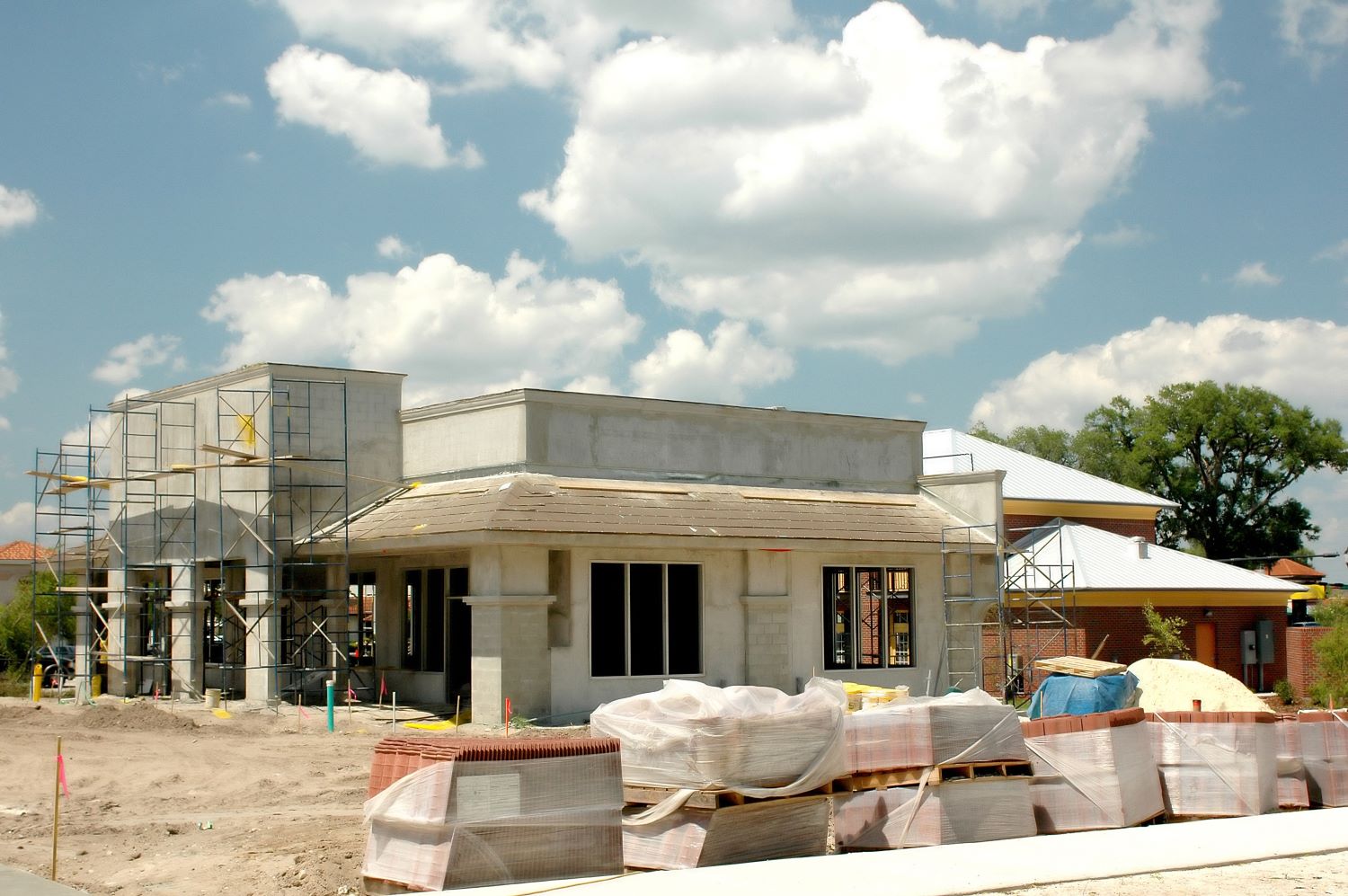
Building a restaurant from the ground up is one of the most complex types of commercial construction. Every square foot needs to balance aesthetics, code requirements, operational efficiency, and guest experience. The only way to achieve that is through seamless collaboration between architects, interior designers, and builders like us. When we all work together long before construction begins, the likelihood of an on-time, on-budget project delivery is exponentially higher.
At Level 3 Construction, we’ve seen firsthand how early and continuous teamwork leads to successful restaurant buildouts. Here’s a look at how this partnership works; why it matters for developers and investors; and how it drives both operational and guest success.
Laying the Groundwork: Early Collaboration Sets the Tone
Space Planning and Feasibility
Before design begins, the build team evaluates the site itself; this includes the utilities, structural capacity, mechanical systems, zoning restrictions, and kitchen feasibility. Sharing this information early helps architects and designers understand what’s possible within the constraints of the building and budget. Early coordination not only reduces costly redesigns but also ensures every square foot contributes to revenue-generating space.
Pre-Construction Coordination
During pre-construction, the project team aligns on scope, budget, and timeline. Builders offer insights into constructibility, current material lead times, and where value engineering can maintain the design intent without escalating costs. For restaurants, this stage is critical because mechanical, electrical, and plumbing (MEP) systems must be coordinated around kitchen flow, equipment needs, and health department requirements.
Aligning Aesthetics and Functionality
In a restaurant, form and function must coexist. Designers focus on brand identity, guest ambiance, and visual storytelling. Architects organize the structural logic. Builders ensure that every idea translates into real-world construction.
From concept to constructible solutions, when designers propose custom millwork, unique lighting, or feature walls, the builder determines the best construction methods, sources the right materials, and confirms the design fits within code. This collaborative problem-solving ensures the restaurant looks exceptional, performs reliably, and delivers a guest experience that can create social media buzz.
In today’s Instagram-driven world, a restaurant’s aesthetic is part of the product itself. Every design detail — from lighting to feature walls — can generate posts that drive foot traffic, repeat visits, and revenue.
Enhancing Guest and Staff Experience
Restaurant layout directly impacts comfort, turnover, and operational flow. Together, design and construction teams map out seating paths, bathroom access, server stations, and kitchen lines. Key considerations include:
- Intuitive seating layouts that improve turnover and maximize capacity.
- Efficient server and kitchen paths that reduce wait times and operational stress.
- Thoughtful restroom and amenity placement that enhances guest comfort.
This produces a space that feels intuitive to guests and efficient for staff, especially during peak hours.
Communication: The Backbone of a Successful Build
Coordination Meetings
Weekly or biweekly check-ins keep everyone aligned on drawings, RFIs, budgets, and schedules. Clear communication prevents surprises and keeps the project moving toward opening day.
Digital Tools That Keep Teams Connected
Cloud-based drawings, building information modeling, and construction management software allow real-time updates and reduce confusion, ensuring every trade works from the latest information.
Proactive Problem-Solving
Restaurants pack an unusually high volume of infrastructure into compact spaces. Tight spaces packed with ductwork, fire suppression, refrigeration lines, and gas lines always present conflicts. Quick collaboration among architects, designers, and builders resolves issues before they affect schedule or quality.
Navigating Codes, Inspections, and Health Department Requirements
Restaurants face some of the toughest regulations in commercial construction—from fire suppression and grease interceptors to ADA compliance and ventilation standards. Builders work closely with designers and architects to ensure drawings meet all requirements before submission. During inspections, any requested changes are coordinated across the team to maintain both compliance and design intent, avoiding costly delays.
Delivering the Final Product
Punch List and Walkthrough
As construction nears completion, architects, designers, and builders finalize details: lighting levels, finishes, millwork quality, hardware, and furniture placement. This ensures the finished space aligns with the vision set months earlier.
Owner Turnover and Training
Finally, builders hand over the space and train ownership on essential systems—HVAC controls, kitchen equipment, fire suppression, and more—so the restaurant operates smoothly from day one.
Conclusion: The Power of True Design-Build Teamwork
The best restaurant environments don’t happen by accident. They result from early coordination, transparent communication, and collaborative problem-solving among architects, interior designers, and builders. That’s why the Level 3 Construction team prioritizes collaboration at every stage.
While our primary focus is higher-value projects, we’ve successfully delivered complex restaurant buildouts, combining design, compliance, and operational efficiency to achieve standout results. When all partners work as a unified team, restaurants open on time, operate efficiently, and deliver guest experiences that generate buzz and bring diners through the door.
Whether you’re planning a new restaurant or investing in a hospitality property, early collaboration with experienced construction partners ensures your project is delivered on time, on budget, and with an experience that guests and Instagram will love.