
Plans Are Just the Starting Point: Ask Your General Contractor These 10 Questions Before You Build
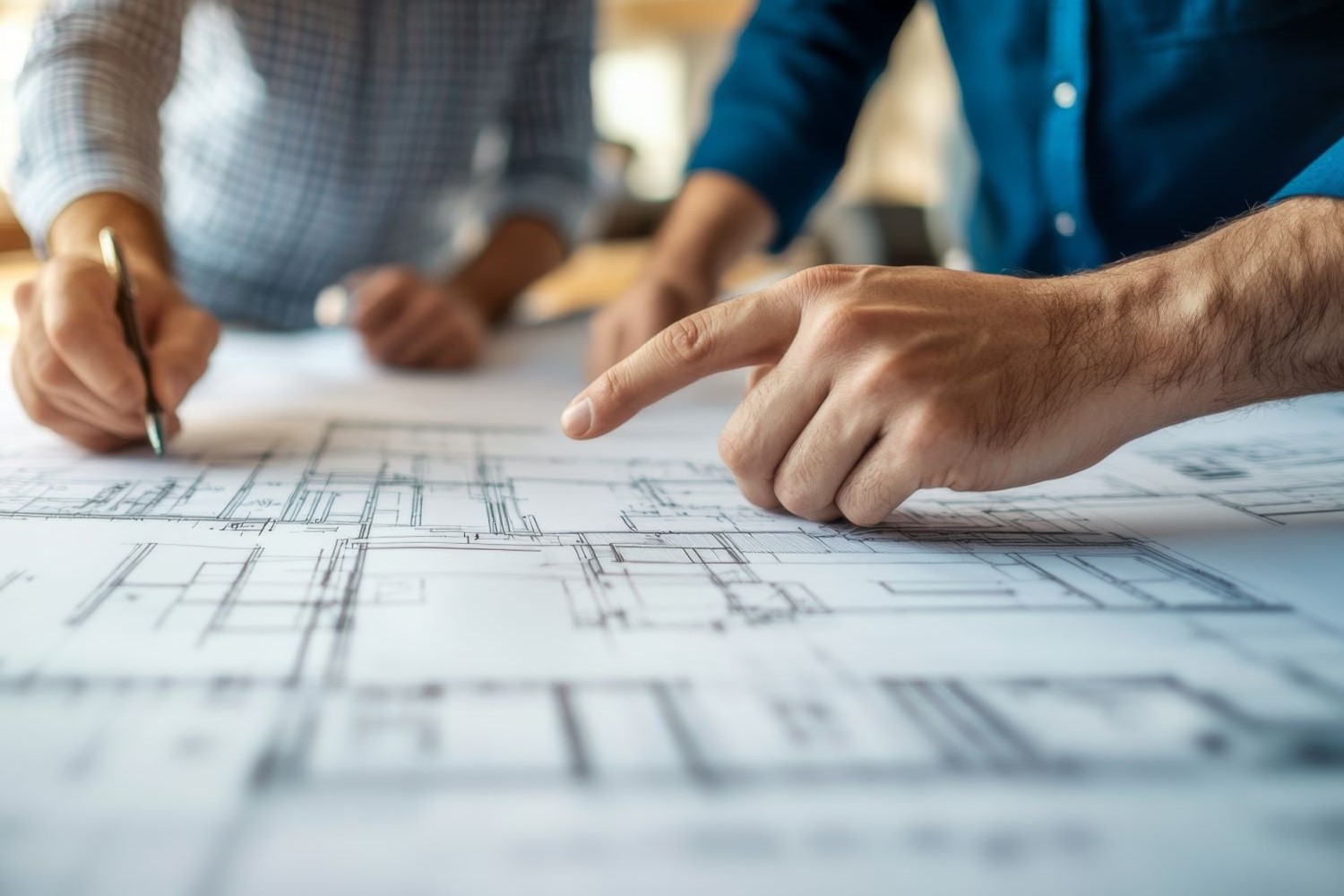
You’ve got your plans. Now what? In California, many multifamily and affordable housing developers bring a general contractor into the conversation at this stage, but too often, the meeting becomes little more than a pricing exercise.
Even with final drawings in hand, there’s still room to improve constructability, avoid surprises, and make smarter decisions. At Level 3 Construction, we work with Southern California developers during pre-construction to uncover cost savings and reduce schedule risk—all before breaking ground.
So grab your plans and ask your general contractor these 10 questions:
1. Where do you see the largest cost drivers in these plans?
California projects often face unique cost pressures from structure, energy compliance, fire/life-safety systems, and exterior envelope requirements. A local contractor should distinguish between costs driven by regulations—like Title 24, coastal, or seismic codes—and areas where flexibility still exists. Understanding what is truly fixed versus what can be optimized is the foundation of cost control.
2. What design or detailing decisions could be simplified to reduce construction cost?
Many housing projects include details that go beyond minimum requirements. Simplifying where possible can reduce labor, coordination challenges, and inspection risks. Contractors with local experience can identify ways to streamline podium construction, exterior wall assemblies, and unit interiors without compromising code compliance.
3. Are there alternative materials or assemblies that meet California standards at a lower installed cost?
From cladding systems to framing strategies and MEP layouts, there are often multiple ways to meet energy, acoustic, and durability requirements. Experienced contractors can recommend options proven in real projects. If the savings being discussed are purely theoretical, it may be worth pressing for examples from completed projects or engaging a contractor with deeper experience in this area.
4. How would you approach procurement given California labor constraints and long-lead items?
Procurement strategy is critical. Early trade engagement, pre-purchasing, and realistic labor planning help protect schedule and budget. A proactive contractor will explain how relationships with subcontractors and suppliers mitigate escalation and delays, especially for specialty trades and regulated materials.
5. What sequencing or phasing strategies could reduce schedule duration and general conditions costs?
Urban sites like those in San Diego can be challenging. Contractors who plan overlapping scopes, efficient vertical construction, and minimize downtime from inspections or utility coordination can save significant time and cost.
6. Where do you see value engineering opportunities that improve constructability—not just reduce scope?
Effective value engineering simplifies how the building comes together while respecting code and funding requirements. At Level 3 Construction, we view value engineering as a way to reduce risk, not just cut line items.
7. How have you helped affordable housing projects maintain cost certainty?
Affordable housing budgets leave little room for surprises. Contractors should be able to demonstrate disciplined pre-construction coordination, agency review experience, and change management practices that protect funding assumptions and prevent unnecessary cost growth.
8. What assumptions in the drawings should be clarified to avoid costly field changes?
Seismic detailing, waterproofing transitions, fire separation, and utility coordination are common areas where assumptions lead to change orders. A contractor who prioritizes pre-construction rigor helps resolve these issues before they impact the field.
9. How do you balance upfront construction savings with long-term operating costs in California’s regulatory environment?
Energy performance, durability, and maintenance requirements are critical. Make sure your contractor understands how first-cost decisions affect long-term operating expenses, warranty exposure, and compliance over the life of the asset.
10. If this were your own capital at risk, what would you change?
This is often the most revealing question. A contractor who thinks like an owner—especially one experienced across California projects—can offer practical recommendations that strengthen both the project and its pro forma.
Pre-Construction Is Where Outcomes Are Determined
Plans don’t determine outcomes—execution and early problem-solving do. The right general contractor brings more than bids; they bring experience navigating California regulations, labor realities, and constructability challenges. At Level 3 Construction, we believe the most successful projects start with the right questions and early collaboration. Contact us today to discuss your project.